
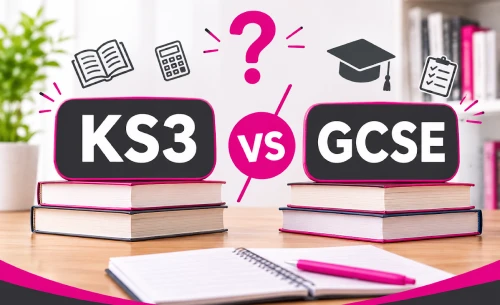
Moving from KS3 to GCSE is an important step in secondary education. Students move from studying a broad range of subjects to preparing for recognised qualifications in selected subjects. This change also affects lesson structures, assessments, revision habits, and independent learning.
But what exactly changes when you enter Year 10? Is GCSE simply a harder version of KS3, or does the entire approach to learning become different?
Mixt Academy UK helps students understand these academic transitions through subject-focused learning and personalised support. This guide explains KS3, GCSE, KS4, and KS5, so you know what to expect at each stage.
What Is KS3 (Key Stage 3)?
Key Stage 3 (KS3) is the first stage of secondary education in England. It covers Years 7, 8, and 9, when students are generally aged 11 to 14.
Students study a broad curriculum to develop knowledge and essential skills before choosing their GCSE subjects. They explore different academic areas, develop independent thinking, and strengthen their understanding of core subjects.
What Subjects Do Students Study in KS3
The KS3 curriculum covers several compulsory subjects, including:
- English
- Mathematics
- Science
- History
- Geography
- Computing
- Modern foreign languages
- Design and technology
- Art and design
- Music
- Physical education
- Citizenship
Schools also provide religious education and relationships and health education.
How Are KS3 Students Assessed
KS3 assessment usually involves school-based tests, classwork, homework, projects, and teacher feedback. These assessments help teachers identify learning gaps and monitor academic progress. Unlike GCSE examinations, KS3 does not normally involve external subject examinations leading to national qualifications at the end of Year 9.
What Are GCSEs and KS4
GCSE stands for General Certificate of Secondary Education. These are recognised academic qualifications that students typically work towards during Key Stage 4.
In England, KS4 covers Years 10 and 11, when students are generally aged 14 to 16. Most students take their GCSE examinations at the end of Year 11.
What Subjects Do Students Study at GCSE?
Unlike KS3, students have greater control over their subject choices. They usually continue studying core subjects while selecting additional GCSE options.
Core Subjects:
- English Language and English Literature
- Mathematics
- Science, including combined science or separate biology, chemistry, and physics
Optional Subjects:
- History
- Geography
- Business Studies
- Computer Science
- Art and Design
- Physical Education
- Modern foreign languages
- Design and Technology
The available options depend on each school’s curriculum and examination arrangements.
How Are GCSE Students Assessed
GCSE assessment focuses on demonstrating subject knowledge and applying it to examination questions. Most subjects use written examinations, while some include practical assessments or non-exam assessments.
In England, most reformed GCSEs use a grading scale from 9 to 1, with 9 representing the highest grade. Assessment requirements and grading arrangements can differ across qualifications and UK nations.
KS3 vs GCSE: Key Differences Explained
The main difference between KS3 and GCSE is their purpose. KS3 builds broad academic foundations, while GCSE develops deeper subject knowledge and prepares students for recognised qualifications. Here’s how the two stages compare.
| Comparison | KS3 | GCSE (KS4) |
|---|---|---|
| School Years | Years 7, 8 and 9 | Years 10 and 11 |
| Typical Age | 11–14 | 14–16 |
| Main Purpose | Build foundational knowledge. | Prepare for national qualifications. |
| Subjects | Broad range of subjects | Core and selected optional subjects |
| Learning Approach | Explore concepts and develop skills. | Study specifications in greater depth |
| Assessments | School tests and teacher assessments | Formal examinations and applicable coursework |
| Grading | School-based progress tracking | GCSE qualification grades |
| Next Stage | GCSE and KS4 | Sixth form, college, or vocational study |
- Subject Choices Become More Focused
During KS3, students study a wide range of subjects without making extensive GCSE specialisation decisions. At GCSE, they select optional subjects based on their interests, strengths, and possible future career paths. Core subjects remain part of their education.
- Learning Goes Into Greater Depth
KS3 introduces important concepts across different subjects. GCSE courses develop this knowledge through more detailed explanations, subject-specific terminology, and challenging applications. For example, KS3 Science introduces basic chemical reactions. GCSE chemistry explores reaction types, chemical equations, bonding, and calculations in greater detail.
- Assessment Becomes More Exam-Focused
KS3 teachers assess understanding through regular classroom activities and internal tests. GCSE students must also develop their ability to answer examination questions within specific time limits. They need to understand command words, follow mark schemes, and apply knowledge to unfamiliar questions.
- Independent Revision Becomes More Important
GCSE students need to organise revision, review previous topics, and identify areas requiring improvement. They cannot depend entirely on classroom explanations to prepare for examinations. Regular revision and past paper practice become important parts of their study routine.
What Changes When Students Move from KS3 to GCSE
The move into Year 10 involves more than studying new chapters. Students experience changes in lesson expectations, academic responsibilities, and examination preparation. Here are some important changes to expect:
- Lesson Structure: Teachers focus more closely on examination specifications, subject knowledge, and questions that reflect GCSE assessment requirements.
- Homework Expectations: Students complete more structured assignments, examination questions, and independent revision activities.
- Knowledge Retention: Students must remember previous topics because GCSE questions often connect concepts from different parts of the syllabus.
- Exam Technique: Understanding mark allocation, command words, and how to structure answers becomes increasingly important.
- Time Management: Students need to balance homework, revision, practical work, and assessments across several GCSE subjects.
Mixt Academy UK’s GCSE tutoring guide for parents and students explains how students can prepare for GCSE examinations and recognise when additional academic support may help.
The transition may feel challenging initially, but students already have many of the skills needed to succeed. Reading comprehension, mathematical reasoning, scientific understanding, and analytical thinking all carry over from KS3.
What Is KS5 in the UK Education System
KS5 (Key Stage 5) generally refers to post-16 education, covering Years 12 and 13, when students are approximately 16 to 18 years old. After completing GCSEs, students can continue their education through different academic and vocational pathways. Common KS5 qualifications include:
- A Levels: Subject-based qualifications that students typically study across two years before applying to university.
- BTECs: Career-focused qualifications combining subject knowledge with practical and applied learning.
- T Levels: Two-year technical qualifications that combine classroom study with industry placements.
Students usually select their next subjects based on GCSE results, entry requirements, interests, and future education or career plans.
How Can Students Prepare for the Transition from KS3 to GCSE
Starting GCSE preparation before Year 10 can help students build stronger foundations. They do not need to start studying the entire GCSE syllabus early. Instead, they should strengthen the skills and knowledge that GCSE subjects require. Consider these practical steps:
- Review Core Subjects: Strengthen your English, maths, and science knowledge before beginning more advanced topics.
- Develop Revision Habits: Review class notes regularly instead of depending on last-minute preparation.
- Practise Independent Learning: Try solving questions without immediately checking the answers.
- Identify Weak Subjects: Understand which topics require more explanation or additional practice.
- Explore GCSE Options: Research available subjects and consider how they relate to your future plans.
- Seek Academic Support: Consider private gcse tutoring when classroom explanations are not enough to address specific learning difficulties.
Students who need additional support can explore personalised tutoring for UK students, including subject-specific guidance and examination preparation.
Frequently Asked Questions
Is KS3 the Same as GCSE?
No, KS3 is a broad secondary education stage covering Years 7 to 9 in England. GCSEs are qualifications students generally study towards during KS4, which covers Years 10 and 11.
Is Year 9 KS3 or GCSE?
Year 9 is the final year of KS3 in England and Wales under the traditional key stage structure. Some schools introduce GCSE content during Year 9, but this does not automatically make Year 9 part of KS4.
What Is the Difference Between KS3, KS4 and KS5?
KS3 covers the foundational secondary years, usually Years 7 to 9 in England. KS4 covers years 10 and 11, when students prepare for GCSEs. KS5 generally covers years 12 and 13, when students study A Levels or other post-16 qualifications.
Can private tutoring help students move from KS3 to GCSE?
Yes, Mixt Academy offers personalised online tuition and one-on-one tutoring to help students strengthen subject knowledge, address learning gaps, and prepare for GCSE assessments. Students can receive support in subjects such as English, maths, biology, chemistry, physics, and history.
Are GCSEs harder than KS3?
GCSEs generally require more detailed subject knowledge, stronger application skills, and focused examination preparation than KS3. Students also need to manage independent revision and prepare for formal assessments.
Do students take GCSE exams at the end of Year 10?
Most GCSE examinations take place at the end of Year 11. Some schools and qualifications may have different assessment arrangements, so students should check their subject specifications and school schedules.