

Starting A Levels can feel like a big step for students and parents. The workload is more focused than GCSE study, subject choices can affect university options, and independent learning becomes increasingly important. Understanding the qualification early helps your family plan without adding unnecessary pressure.
Most students in England, Wales and Northern Ireland begin after GCSEs and study their chosen subjects across Years 12 and 13. Assessment can differ by subject, exam board and qualification, so checking course details is important.
Mixt Academy professionals can help families identify learning needs and access tailored academic support while students build confidence, practise exam techniques and work towards realistic goals.
Key Takeaways
- A Levels are usually studied over two years after GCSEs.
- Most university-bound students take three subjects.
- Grades generally range from A* to E, while U means ungraded.
- Courses may include written exams, coursework or practical assessment.
- Parents can help through steady routines, encouragement and early support when difficulties persist.
What Are A Levels
A Levels, short for Advanced Levels, are subject-based qualifications commonly taken by students aged 16 to 18 before university or further study. Unlike GCSEs, which cover a broad range of subjects, A Levels let learners study a smaller number in greater depth. A Level tutors can help students understand challenging topics, strengthen subject knowledge and prepare effectively for exams.
They develop subject knowledge, critical thinking, independent learning and the ability to apply ideas to unfamiliar problems. A Levels are common in England, Wales and Northern Ireland. Scotland has a different qualifications system, including Highers and Advanced Highers, so check which route a school offers and which qualifications a university accepts.
When Do Students Take A Levels
Students usually choose courses during Year 11 and begin sixth form or college in September after GCSEs. Year 12 builds core knowledge and study skills; Year 13 develops that foundation and prepares students for final assessments and university applications.
In England, many reformed courses are assessed mainly through exams at the end of the programme. AS Levels can be separate qualifications, but in most reformed English A-Levels, AS results do not count towards the final grade. Arrangements vary, so check the course specification and school guidance.
How to Choose Suitable Subjects
When comparing A level subjects, check the university entry requirements for degrees your child may consider. Some courses require specific subjects, while others accept several combinations. Medicine commonly requires Chemistry and may specify Biology; engineering often expects Maths and may require Physics. Requirements vary by institution, so compare several university course pages.
Encourage your child to attend options evenings, speak with teachers and review specifications. Discuss workload, assessment style and interest. A subject should not be chosen just because a friend takes it or it sounds impressive; enjoyment and willingness to work consistently matter.
How Many Subjects Should Students Take
Three full A Levels are the usual choice for university applicants, providing depth without spreading study time across too many demanding courses.
Taking four is not automatically better. Consider GCSE results, workload and degree requirements first. Strong grades in three relevant subjects can be more useful than lower grades across four. Check how target universities value an Extended Project Qualification.
A Level Grades and Assessment
Grades generally run from A* to E, with A* the highest and E the lowest pass. U means ungraded. Universities set their own entry requirements, often including an overall grade profile and specific grades for required subjects.
Most courses use written exams; some also include coursework, practical assessments or other non-exam assessment. Check the specification to see how each component contributes to the final grade.
Exam boards set grade boundaries after marking to maintain standards. The raw mark needed for a grade may change because papers differ in difficulty, while the standard remains consistent. See Ofqual’s explanation of A Level grading.
When Subject Support May Help
Extra help can be useful when a student repeatedly struggles with a concept, cannot apply knowledge to exam questions or needs more individual feedback. For example, a search for A-level maths tutors in london may reflect difficulty with algebra, calculus, statistics, mechanics or timing under exam conditions.
A suitable tutor should know the relevant specification and identify the cause of lost marks. The issue may be a knowledge gap, inaccurate working, weak reasoning or a rushed exam approach. Ask how lessons will address the problem and how improvement will be measured. A focused session should explain a concept, model a question, let the student attempt a similar task and finish with a clear next step.
Creating a Revision Routine
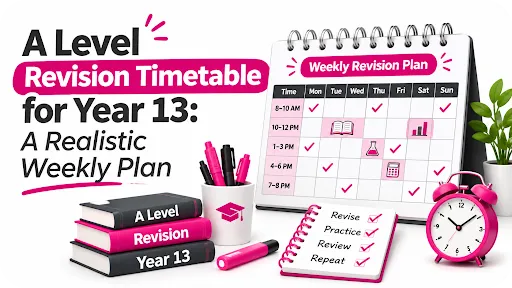
A practical a level revision plan breaks a large syllabus into manageable tasks. List topics for each subject, then mark them as secure, uncertain or not yet understood. Give weaker areas more time while revisiting stronger topics briefly to keep knowledge fresh.
Balance revision with lessons, homework and rest. Active recall, flashcards, essay plans, diagrams and timed questions help students practise applying knowledge instead of only rereading notes.
Past papers help most when students analyse mistakes. Note whether marks were lost through missing terms, weak explanations, calculation errors or poor timing. Revisit those skills a week later, then increase timed-paper practice as exams approach.
Key Dates Across Sixth Form
Dates vary by school, subject and exam board. Use this broad guide and confirm details locally.
| Stage | What Usually Happens | How Parents can Help |
| Year 11 | Students research courses and apply to sixth form or college. | Attend optional events and check prerequisites. |
| Year 12 | Lessons begin; students build knowledge and complete assessments. | Encourage regular study and early questions. |
| Year 13, autumn and winter | Students prepare university applications, complete relevant coursework and sit mocks. | Track deadlines and check course requirements. |
| May to June, Year 13 | Main A Level exams commonly take place. | Check the official timetable and protect revision time. |
| August | Results arrive, and university places are confirmed or reconsidered. | Discuss next steps calmly and seek advice where needed. |
Check UCAS’s current key dates for parents and carers. Some courses have earlier deadlines.
Supporting Learning and Wellbeing
You do not need to teach every topic to help your child. A calm study space, a consistent routine and regular conversations can make the workload easier to manage. Ask what feels difficult instead of focusing only on grades. Contact teachers if homework is repeatedly missed or scores decline across topics. One poor test may be a setback; a pattern deserves attention.
For some students, online a level tutors can provide one-to-one explanations, targeted exam practice and feedback that is difficult to get during a busy classroom lesson. Any extra support should reinforce school learning and encourage independent work. Also protect sleep, exercise, friendships and screen-free breaks.
If stress affects mood, appetite or sleep over time, talk supportively with your child and seek help from the school or a health professional when needed. Families who need more structured individual support can review Mixt Academy UK’s tutoring options and discuss their child’s subject and exam-board needs.
A Levels and University Applications
Students usually apply to university before receiving final results, using predicted grades supplied by their school or college. Offers may require a particular combination of grades and named subjects.
Help your child compare course pages, note application deadlines and understand what each degree expects. Applications should communicate genuine academic interests and relevant preparation rather than simply list achievements. Check requirements directly with universities and use the current UCAS timeline; dates can differ by course and application cycle.
What If Results Are Unexpected
Lower-than-expected grades can be upsetting, but they do not automatically close every route. If a student narrowly misses an offer, contact the university to ask whether it can still confirm the place. The decision depends on the institution and course, so do not assume acceptance.
Clearing may offer places on courses that still have vacancies. Other options include a different degree, a foundation year, a degree apprenticeship or resitting an exam. Compare requirements, costs and timing before making a decision.
If you suspect a marking or administrative error, ask the school or college promptly about the formal review process and relevant deadlines. A review does not guarantee a higher grade, but it can clarify whether a result should be checked.
Choosing an Online Tutor
A search for private online tutors in the UK should lead to a comparison of subject expertise, teaching style and progress reporting, not price alone. Ask whether the tutor teaches the student’s exact exam board, how they assess current knowledge and how they adapt when a topic remains unclear.
Check qualifications, relevant experience and communication skills. A useful tutor invites questions, gives specific feedback and uses exam-style practice. Agree on one or two goals, such as improving essay structure or mastering a set of calculus problems, then review progress after a few weeks.
Get Personalised A Level Support
If your child needs help with a challenging topic, revision routine or exam technique, Mixt Academy UK offers tailored online tuition around their needs and exam board. Identify the main learning gaps, agree on clear goals and choose a manageable schedule. Visit the pricing page to review options and arrange an introductory session around school commitments.
Conclusion
A Levels ask students to take greater responsibility for how they learn, but understanding the system helps families plan ahead. Support your child to choose suitable courses, build steady study habits and check university requirements early.
Keep communication open with teachers and look for patterns rather than judging progress by one test. Encourage active practice, protect time for rest and seek extra help when difficulties persist. If results do not match expectations, gather information about the available routes before deciding what comes next.
With realistic goals and useful feedback, students can strengthen their knowledge, improve exam technique and make informed choices about life after sixth form.
Frequently Asked Questions
Are A Levels harder than GCSEs?
They usually involve more depth and independent study. Students focus on fewer subjects but must apply knowledge, explain concepts and manage longer tasks with less step-by-step guidance.
Does my child need four A Levels for a top university?
Not usually! Three relevant A Levels are standard for many degree offers. Check the published requirements for each course because expectations vary.
When should revision start?
Revision should build throughout the course, not begin only weeks before exams. Regular topic reviews help students identify gaps and practise exam technique early.
What support does Mixt Academy UK offer A Level students?
It provides one-to-one online tuition matched to a student’s subject and exam board. Sessions can focus on difficult concepts, syllabus coverage, exam questions and learning goals.
What should we do if a university offer is missed?
Contact the university first. If the place is not confirmed, explore Clearing, alternative courses, foundation years or resits, considering the student’s goals and circumstances.