
Navigating private education can feel overwhelming when every platform promises top grades. Finding the right specialist requires a structured approach that looks beyond hourly rates to focus on teaching quality, safeguarding, and individual learning styles.
Mixt Academy UK streamlines this journey for families seeking trusted academic support through private tutoring UK households can rely on. Whether you need primary reinforcement or intensive exam preparation, knowing how to evaluate educators ensures your child builds genuine confidence and lasting academic success.
This comprehensive guide explains how to choose a qualified online tutor and outlines when extra support is truly worthwhile. Furthermore, it highlights the essential questions every parent should ask before committing.
Why UK Families Are Turning to Flexible Online Tuition
Demand for high-quality private education varies across regions, reflecting unique local schooling pressures and lifestyle routines. For instance, parents managing intense competitive entrance exams often look for specialised tutors in London to navigate rigorous school admissions.
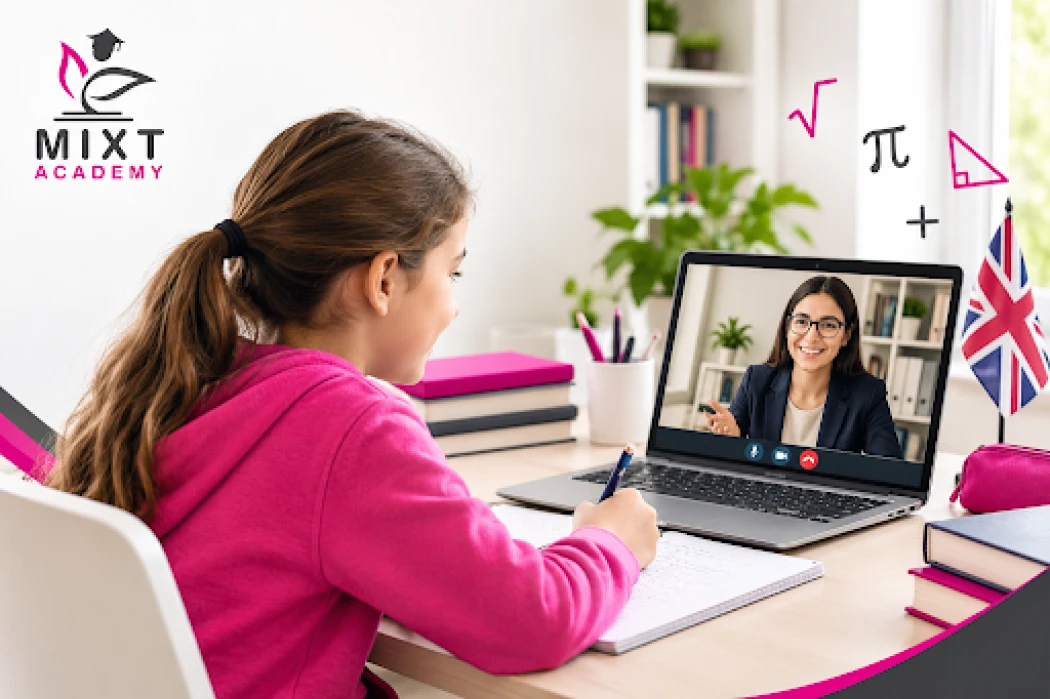
At the same time, remote learning removes geographic limitations entirely. Families no longer need to worry about local traffic or restricted options, allowing households to connect with elite subject specialists based purely on academic excellence and fit. Today, professional online tutors in the UK help students bridge educational gaps seamlessly from home.
5-Step Process to Hire Qualified Online Tutors in the UK
Finding the right academic support for your child requires a structured, foolproof approach. Following these five essential steps ensures complete transparency, top-tier instruction, and long-term academic success.
Step 1. Define Academic Goals and Target Curriculum
Begin by identifying your child’s specific academic needs, whether that involves catching up on foundational Key Stage gaps, preparing for 11+ entrance exams, or targeting top grades in GCSE, IGCSE, or A-Level subjects. Pinpoint the exact exam board your school uses, such as AQA, Edexcel, OCR, or Cambridge, to ensure your tutor has targeted specification mastery, not just general subject knowledge.
Step 2. Verify Academic Credentials and Teaching Qualifications
Screen candidates thoroughly by evaluating their formal university degrees, subject specialisations, and recognised teaching certifications such as a PGCE or QTS. Look for proven pedagogical experience at your child’s exact grade level, and ask for concrete examples or case studies showing how previous students improved their confidence and academic outcomes.
Step 3. Confirm Rigorous Safeguarding and Enhanced DBS Checks
Prioritise child safety by ensuring the educator or tutoring provider treats enhanced Disclosure and Barring Service (DBS) checks as non-negotiable. Verify that lessons take place on secure, monitored virtual platforms with transparent communication channels, ensuring parents retain full visibility and safety protocols are actively enforced.
Step 4. Assess Teaching Style, Diagnostic Planning, and Technology
An experienced tutor always begins with an initial diagnostic assessment to understand learning gaps before drafting a personalised roadmap. Check that they utilise professional online tools, such as reliable video streams, interactive digital whiteboards, and session recordings, while maintaining an encouraging communication style that actively engages your child.
Step 5. Arrange a Trial Lesson and Finalise Compatibility
- Risk-Free Evaluation: Book an initial trial session to test chemistry, pacing, and engagement.
- Compare Value: Review transparent pricing terms, cancellation policies, and feedback structures before committing to a regular weekly schedule that protects your child’s confidence.

Consult with one of our 1,000+ qualified tutors.
Essential Considerations for UK Families
| Consideration Area | Online Tuition Advantages |
| Progress & Communication | Consistency Drives Improvement: Regular feedback loops and monthly tracking ensure you never have to guess whether lessons are effectively working. |
| Flexibility & Access | Removes geographic barriers: Connects households across the UK with elite specialists without local travel constraints or commuting limits. |
| Digital Tools & Growth | Actionable Insights: Leverages focused virtual learning tools, interactive whiteboards, and shared session recordings that frequently accelerate student progress. |
Important Questions to Ask Before Booking Your Child’s Tutor UK
Before committing to a tutor, asking the right questions helps ensure accountability, transparency, and a smooth learning experience. Whether you are prioritising flexible scheduling around busy extracurricular timetables like families hiring tutors in Birmingham or tutors in Manchester, or balancing packed household routines, the following enquiries protect your investment and your child’s progress:
- Which exam board and specification do you teach? Confirm alignment with specific boards like AQA, Edexcel, OCR, or Cambridge to avoid misaligned mark schemes.
- How do you assess a new student’s starting point? Look for a structured diagnostic approach rather than jumping straight into generic textbook lessons.
- What safeguarding checks have you completed? Verify that enhanced DBS screening and secure, monitored virtual classrooms are standard practice.
- How will progress be reported to me? Establish clear expectations for regular feedback regarding strengths, weak points, and actionable next steps.
- What is your cancellation policy? Understand rescheduling terms, minimum commitments, and any financial policies before securing your weekly slot.
- What happens if my child and the tutor are not a good match? Clarify the provider’s replacement policy to ensure a seamless transition if personal rapport is missing.
Online Tutoring vs. In-Person Tutoring: Which Is Right for Your Child in the UK
Choosing the right format for private education is a crucial decision for parents. While traditional face-to-face instruction has long been the default, modern virtual learning platforms have transformed how students master challenging subjects. Examining the core differences in accessibility, engagement, and flexibility helps families determine the best approach for their child’s unique academic journey.
1. Flexibility and Accessibility
- Online Tutoring: Removes all geographic boundaries, allowing families to connect with elite subject specialists regardless of location. It eliminates travel time, making it much easier to fit lessons around busy extracurricular schedules, sports, and family commitments.
- In-Person Tutoring: Relies entirely on geographic proximity. Families are typically limited to local educators available within a commutable distance, and sessions require dedicated travel time for either the tutor or the student.
2. Learning Environment and Technology
- Online Tutoring: Utilises advanced digital tools such as interactive whiteboards, screen sharing, digital resource libraries, and session recordings. Students can review past lessons at their own pace, which heavily reinforces retention and independent study habits.
- In-Person Tutoring: Relies on physical materials like paper textbooks, notebooks, and face-to-face interactions. Some younger learners or tactile students thrive better in a traditional room setting without screens.
3. Cost and Value Efficiency
- Online Tutoring: Often offers more cost-effective pricing structures because it eliminates travel overhead for both parties. Parents also save significantly on fuel and transit time.
- In-Person Tutoring: Frequently carries higher hourly rates or additional travel surcharges passed down by the tutor to cover their commuting expenses and time.
4. Distractions and Focus
- Online Tutoring: Requires a quiet, dedicated study space at home. Without self-discipline, students may face digital distractions, though experienced online educators use interactive pacing to keep learners engaged.
- In-Person Tutoring: Offers a more controlled physical environment where a tutor’s presence in the same room can naturally encourage better focus for easily distracted students.
Worried About Your Child’s Grades?
Give give them personalised support from qualified UK tutors who make learning easier and more enjoyable.Making the Right Choice
Ultimately, the best format depends on your child’s age, learning style, and daily schedule. Online tutoring excels in delivering top-tier curriculum experts, scheduling flexibility, and powerful digital revision tools. Meanwhile, in-person tutoring offers a traditional physical environment that some younger pupils find easier to settle into initially.
Balancing these factors ensures your child gets targeted, stress-free support that builds genuine academic confidence.
Connect With Expert UK Tutors That Actually Fit Your Schedule
Eliminate the guesswork of hiring private tuition with expert guidance built around your child’s specific curriculum needs. Reach out to Mixt Academy UK today to align with a dedicated specialist who fits your weekly schedule. Whether you are comparing options from home or coordinating support, our platform makes connecting with specialised online tutors effortless. Find trusted expert online tutors in Liverpool, Bristol, and across the UK today.
Book a Free Trial Session Today!
Conclusion
Securing the ideal academic mentor involves balancing rigorous credential checks with a teaching style that genuinely resonates with your child. By prioritising verified DBS safeguarding, precise exam board knowledge, and consistent progress tracking, families can avoid the frustration of mismatched lessons.
A thoughtful selection process at the beginning saves time, protects confidence, and transforms how students approach challenging subjects. True educational value comes from personalised instruction that adapts to individual needs, not generic formulas.
Investing in the right support early lays a solid foundation for lifelong learning habits and long-term academic achievement.
Frequently Asked Questions
How can I tell whether an online tutoring provider is reputable?
Look for transparent tutor vetting, verified qualifications, safeguarding policies, and clear terms on payment and cancellation. Mixt Academy UK is always happy to explain how we select tutors and monitor lessons. Be cautious of vague answers, pressure to pay large sums upfront, or reluctance to offer a trial or references.
Is online tutoring suitable for younger primary pupils?
Yes, as long as lessons are short, varied, and interactive. Children under nine thrive when tutors use games, visual prompts, and frequent activity changes. Having a parent nearby for the first few sessions helps with settling in and technical setup.
What equipment does my child need for online lessons?
A laptop, tablet, or desktop with a working camera and microphone, a stable internet connection, and headphones is ideal. A tablet with a stylus is especially helpful for maths and science, where handwriting diagrams and equations matter.
How long does it take to see results from online tutoring?
Confidence and engagement typically improve within a few weeks, while measurable grade changes usually take a half term or more of consistent lessons. Progress depends on starting points, lesson frequency, and independent practice between sessions.