

That change is completely normal. It actually hides two challenges: an emotional one, which is confidence during change, and an academic one, which is skills that fade after time away from school. Most back-to-school advice only covers one of these. This guide looks at both and includes something most checklists miss: what really helps at each stage of UK education, from primary years to GCSE, A Level, and the IB Diploma.
In short, rebuilding confidence and preventing learning loss both come from a few small, steady habits. These include a bit of reading, slowly bringing back a routine, and having open conversations. It helps to start these two to three weeks before term begins, not just the night before.
In this guide:
- What really causes the “back to school” dip
- How to spot if your child needs extra support
- Ways to rebuild confidence before the first day
- How to keep skills fresh without making holidays feel like school
- What changes at each stage, from Year 7 to the IB Diploma
- How an online tutor can help in the final weeks of the holidays
What’s Really Going On Over the Summer Holidays?
Two things often happen at the same time. First, there is an emotional side: any change, even a good one, can unsettle a child’s sense of routine and control. Second, there is an academic effect that researchers call summer learning loss, or the “summer slide”.
A review of more than a dozen studies involving over 50,000 pupils found that children usually lose about a month’s worth of academic progress during a long summer break. Research from the UK supports this: a study at Northumbria University found that primary school children’s spelling scores dropped right after the summer holidays but recovered about seven weeks into the new term.
Neither of these findings should cause alarm. A dip does not mean a lasting setback, and there is usually still time to catch up by September. However, spending a few weeks on gentle preparation can make the return to school much smoother than trying to catch up after the term has started.
Signs Your Child Might Need a Little Extra Support
Children don’t all show these feelings in the same way. Here are some clearer signs to look for:
- They might go quiet or change the subject when you talk about the new term.
- Books, writing, or maths that once felt easy might now make them sigh or shrug.
- Bedtime and morning routines have drifted a long way from term time.
- They may seem more irritable, tearful, or clingy than usual in the last week or two of the holidays.
- They might mention specific worries, like a new teacher, a new school, or a subject they struggled with last year.
Seeing just one of these signs isn’t a reason to worry. But if you notice two or three together, it’s a good idea to start the steps below a bit sooner.

Consult with one of our 1,000+ qualified tutors.
Rebuilding Confidence Before the First Day
Talk About It, Without Rushing to Fix It
Open questions usually help more than simply offering reassurance. Asking things like “What are you looking forward to?” or “Is anything on your mind?” can start a better conversation than just saying, “You’ll be fine.” Often, children just want someone to listen instead of being told not to feel a certain way.
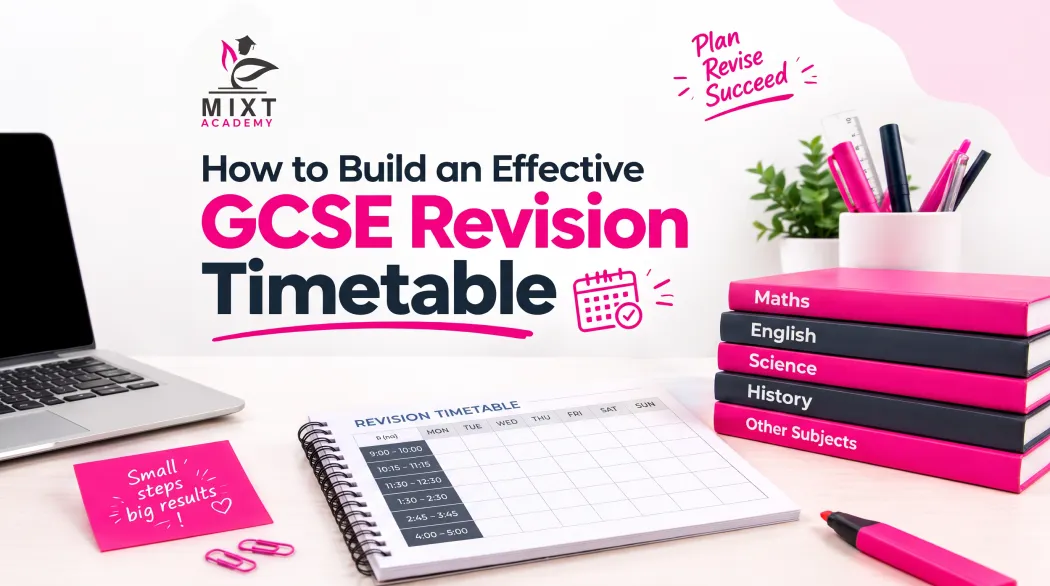
Bring Routines Back Gradually
Start moving bedtimes, morning alarms, and mealtimes back to the school routine over a week or two instead of changing everything on the Sunday night before school starts. This gives your child’s body clock time to adjust before school mornings begin.
Praise the Effort, Not Just the Result
Confidence grows from small achievements that get noticed. Finishing a chapter, trying a difficult maths problem, or writing a paragraph without being asked all deserve real praise, even if the answer is not correct.
Hand Over Small Responsibilities
Letting children pack their own bag, pick out their own stationery, or set up a homework space helps them feel more in control of the year ahead. This sense of control can really help calm their nerves.
Keeping Skills Fresh Without It Feeling Like School
Let Reading Do the Heavy Lifting
Spending fifteen to twenty minutes a day reading something they truly enjoy, such as fiction, comics, or an audiobook while following along in print, can help build vocabulary and comprehension without feeling like schoolwork.
Let Maths Hide in Real Life
Activities such as cooking, shopping, splitting a bill, or working out how much longer a trip will take all use the same skills taught in the classroom, but they feel more natural.
Make Writing Feel Like Play
Writing a holiday diary, sending a postcard to a grandparent, or reviewing a film they have just watched all count. The main aim is to keep them writing rather than creating perfect work.
Little and Often Beats Long and Rare
Three or four short sessions a week, each lasting about twenty minutes, are much more effective than one long session that feels like a chore. It also helps to let your child choose the days. When they help create the routine, they are more likely to stick with it.
Getting Ready at Every Stage: From Primary to the IB Diploma
General advice can only help so much, since what works best really depends on each child’s situation when they return to school.
Starting Secondary School or a New Year Group
A new building, new subjects, and new faces can feel overwhelming. Going over the school layout, timetable, and what to expect on the first day can really help ease those nerves.
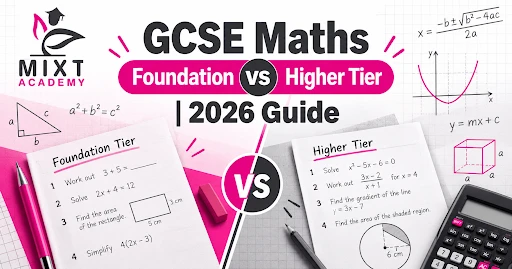
The GCSE Years (Year 10 and Year 11)
September goes by quickly once GCSE lessons begin, with mock exams and coursework deadlines often coming up just weeks after school starts. That’s why many parents look for GCSE tutors in UK now, not for a full catch-up, but for someone who can spot and fix last year’s gaps before new topics add up.
A Level and Sixth Form (Year 12 and Year 13)
The jump from GCSE to A Level is bigger than most students expect, with far more independent study and less repetition in class. Bringing in A Level tutors early, even for just a few sessions in September, can help prevent that gap from widening into something harder to close by Christmas.
The IB Diploma Programme
Balancing six subjects, the Extended Essay, Theory of Knowledge, and internal assessments makes the IB one of the toughest ways to start a school year. Many families find that IB tutors are most helpful at the very start, helping students establish a routine before deadlines start to overlap.
Worried About Your Child’s Grades?
Give give them personalised support from qualified UK tutors who make learning easier and more enjoyable.How a Tutor Can Help in the Final Weeks of the Holidays
You don’t need a formal programme to make the weeks before September count. Just a few short, focused sessions tailored to your child’s needs, instead of following a generic syllabus, can help rebuild both confidence and momentum before school starts again.
This is where online tutors can really help. Since sessions take place over video calls instead of in a classroom or tuition centre, private home tuition now means expert one-to-one support from your own sofa and on your family’s schedule, with no commute or waiting list.
At Mixt Academy UK every tutor is DBS-checked and has a postgraduate qualification. Lessons are matched to your child’s exact exam board, whether that’s AQA, Pearson Edexcel, or the OCR for GCSE, A Level, and IB courses. Each session is recorded in the Mixt Portal, so your child can review tricky explanations later. Lessons start from £20 per hour, and you can try a free trial to find the right tutor before committing.
Final Thoughts
Feeling a bit nervous or rusty in the last weeks of August is completely normal. It doesn’t mean anything has gone wrong. What really helps is keeping things small and consistent: have open conversations, bring back routines gradually, add a little reading and maths into daily life, and, if needed, get some focused one-to-one support for tricky subjects or exam stages. If you start two or three weeks before school starts, September usually goes smoothly.
Book a free trial lesson to help your child start the new term feeling prepared and confident.
Questions of Parents
Is summer learning loss actually real?
Yes. Studies looking at tens of thousands of students have found that children can lose about a month of academic progress over a long summer break. Most of the time, they catch up within a few weeks once school starts again.
How can I help my child feel more confident about going back to school?
Have open conversations without trying to reassure too quickly. Start bringing back bedtimes and routines slowly during the last week or two before school. Praise your child’s effort instead of just the results. Taking small, steady steps helps much more than a single pep talk the night before school begins.
How much revision should my child do over the summer holidays?
Doing a little bit regularly works best. Aim for three or four short sessions a week, about twenty minutes each, focusing on reading, maths, or writing. The idea is to keep skills fresh, not to copy the school timetable.
What are the signs my child might need extra support before term starts?
Look out for signs such as not wanting to talk about the new term, avoiding reading or writing they once enjoyed, finding maths harder than before, changes in sleep routines, or becoming more irritable about going back. If you notice two or three of these at once, it’s a good idea to start helping early.
Do GCSE, A Level, and IB students need to prepare differently over the summer?
Yes. For GCSE students, it helps to review last year’s material before mock exams. A Level students can benefit from building independent study habits early. IB students often benefit from establishing a steady routine at the start, since they have many tasks happening at once.
Can online tutoring really help in just the last few weeks of the holidays?
Yes. Short, focused sessions can help identify specific gaps, boost confidence, and establish a realistic routine before school starts. This is often more helpful than a long, unfocused catch-up programme.